Distributed asset complexity
Coordinate conditions, service windows, stakeholders, and priorities across geographically separated stations, plants, operations centers, and support facilities.

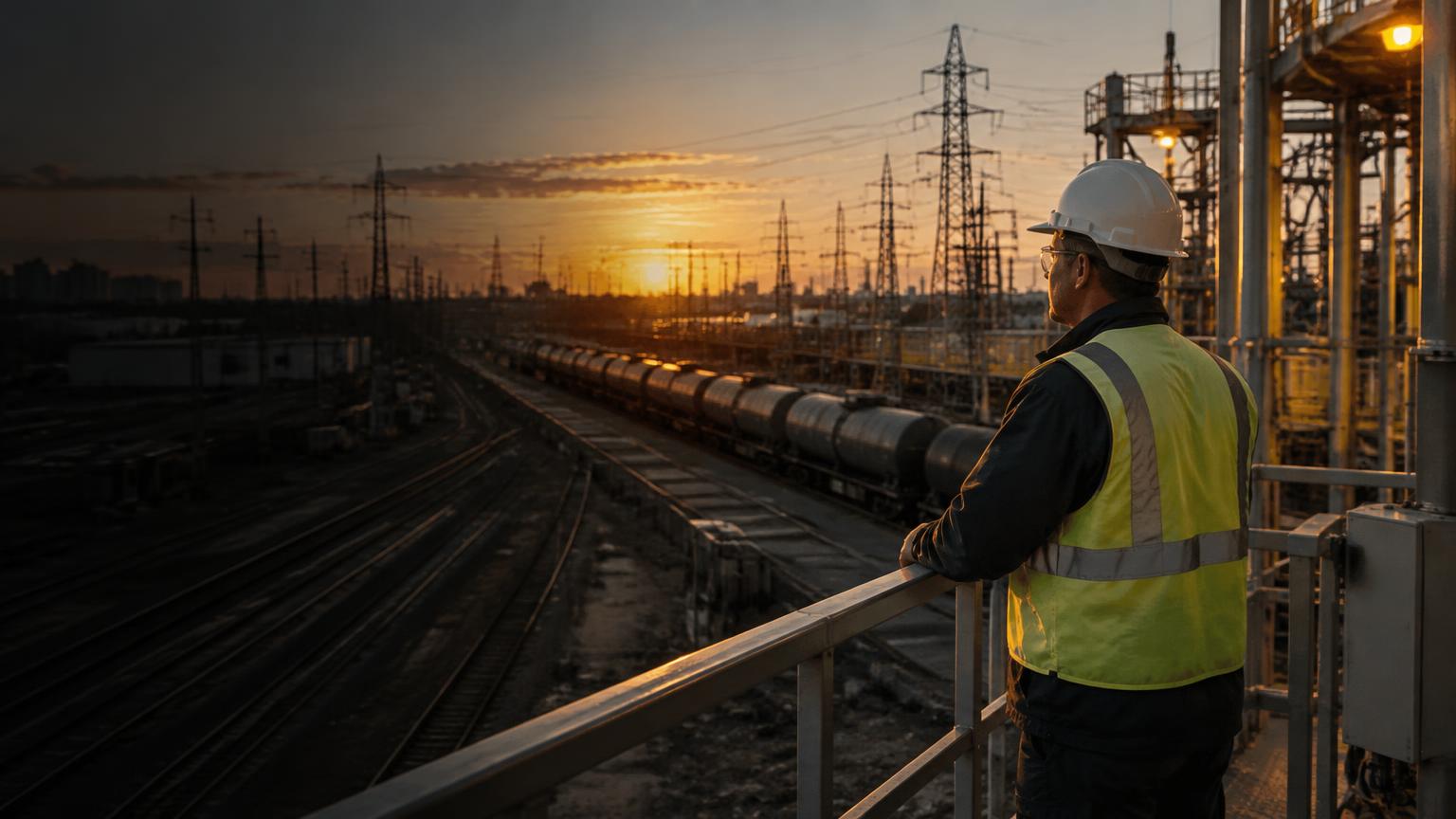
Keep essential systems moving
Resilient facility operations for public and commercial transit, logistics, and utility infrastructure.
Request an InspectionYour operating environment
Transportation and utility environments combine distributed assets, demanding schedules, field safety, and systems where interruptions can affect entire communities.
Problems we solve
Technical problems rarely stay isolated. RJY Group connects symptoms, equipment condition, controls, operating practices, records, and system dependencies so the response addresses what is actually driving risk.
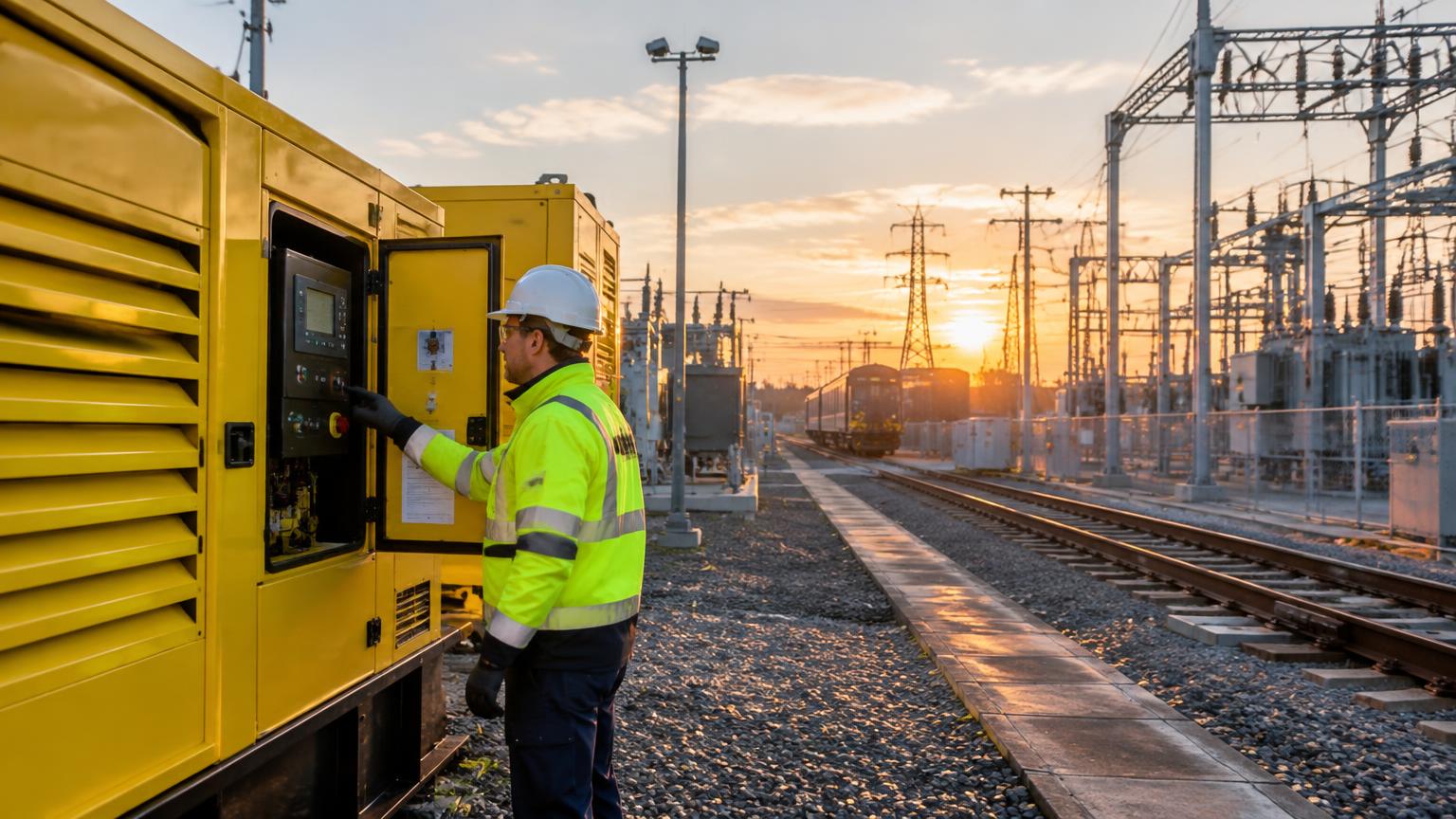
Coordinate conditions, service windows, stakeholders, and priorities across geographically separated stations, plants, operations centers, and support facilities.
Identify facility dependencies whose loss can affect mobility, power, water, communications, logistics, or community confidence.
Plan access, testing, shutdowns, and restoration around active operations, field safety, dispatch requirements, and limited outage opportunities.
Map controls, cooling, standby power, communications, remote access, and response roles so continuity planning reflects actual dependencies.
Where we focus
Coordinate facility priorities across sites, assets, and operating teams.
Focus attention on dependencies and systems that can interrupt essential service.
Organize work around site access, safety requirements, and active operations.
How we work
Build a clear view of assets, conditions, and operational dependencies.
Align work windows, safety controls, and responsible stakeholders.
Document service and maintain a visible list of next priorities.
Scope priorities
Facility outcomes
Start with the operating need
Tell RJY Group what is happening at your facility, what has already been tried, and what a successful next step should accomplish. We will use those details to shape a focused transportation & utilities conversation.
For an immediate life-safety or facility emergency, use your established emergency procedure. Website enquiries are for assessment, service, and project planning.
Technical questions
Use these answers to prepare an internal discussion, records review, or first conversation with RJY Group.
Involve RJY Group when conditions, recurring faults, planned upgrades, audit findings, staffing constraints, or operational risk require a structured technical review. Early coordination helps clarify dependencies, available records, work windows, responsible stakeholders, and the safest practical next step.
Share the facility location, affected assets, operating symptoms, known history, current maintenance records, urgency, access constraints, and desired outcome. Photographs, trend data, alarm history, drawings, test reports, and stakeholder contacts can help make the first review more productive.
Yes. Planning can account for occupied spaces, critical schedules, restricted access, safety controls, infection-control requirements, academic calendars, production windows, and approved outages. The exact approach depends on site conditions, system redundancy, and the consequence of interruption.
Priorities are developed by considering observed condition, operational consequence, safety, compliance needs, redundancy, service history, maintainability, access, available resources, and timing. This creates a practical sequence instead of treating every finding as equally urgent or equally valuable.
The appropriate records depend on the agreed scope, but work can include condition notes, completed-service documentation, test results, photographs, open issues, corrective recommendations, and next-step priorities. Deliverables should be confirmed before field work begins so expectations remain clear.
Yes. RJY Group can connect building automation, HVAC, standby power, water treatment, technical staffing, and operational technology security where systems interact. Coordinated planning helps teams see dependencies, avoid conflicting changes, and organize work around the facility mission.
Use the enquiry form with the facility, system, concern, timing, and preferred contact, or call the Houston office. An initial conversation can determine whether the next step should be records review, site inspection, technical assessment, service visit, or proposal development.
Speak directly with RJY Group